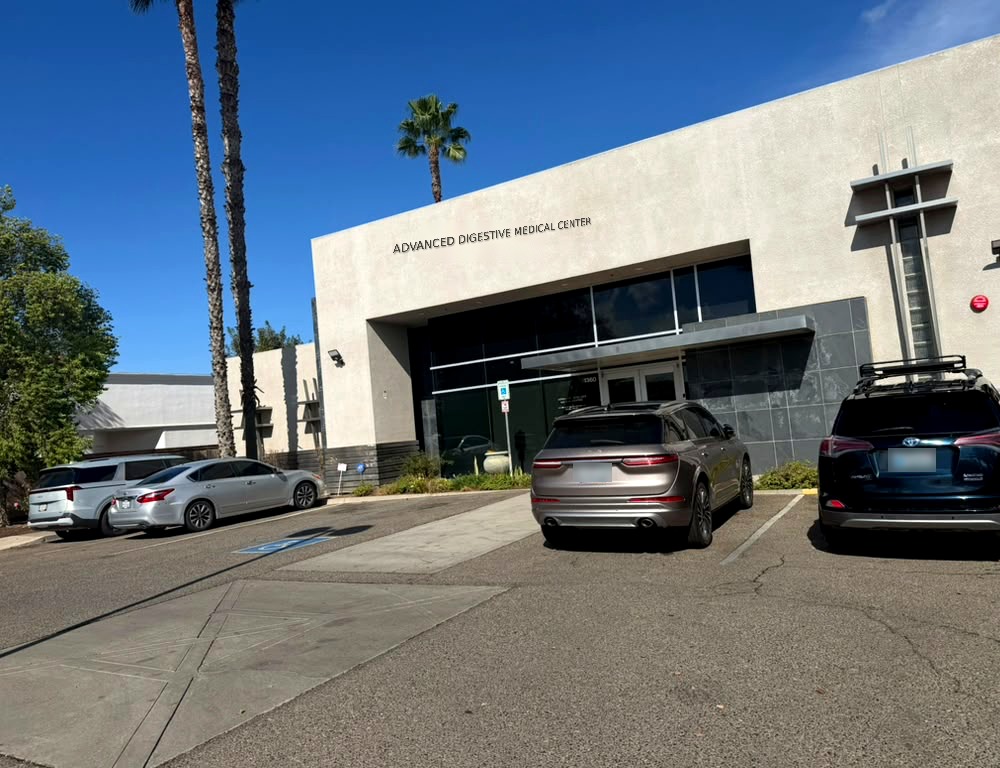
A procedure morning at Hanford Surgery Center.
Most patients are with us for about two hours from check-in to discharge. Here is what happens and when.
Check in
Arrive at the Hanford Surgery Center door (the right-hand entrance) 45 minutes before your scheduled time with your ID, insurance card and medication list.
Pre-op
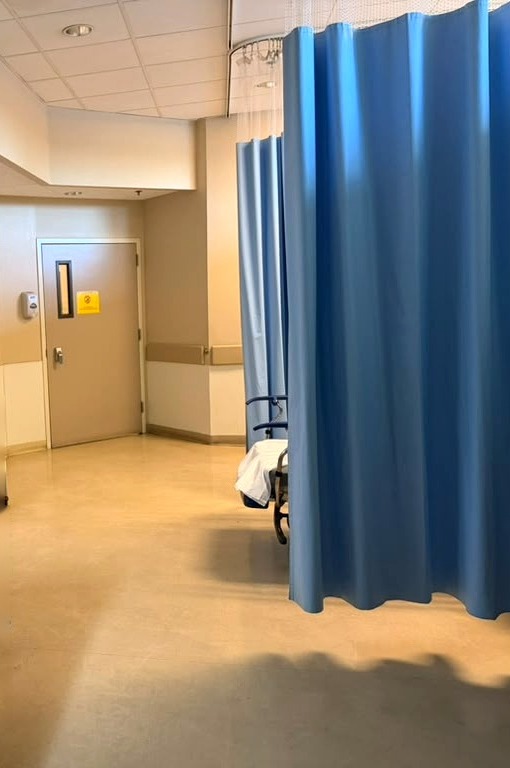
A nurse reviews your history, checks vital signs and places a small IV. You change into a gown in a private bay. Your physician meets you here.
Your procedure
Sedation is given through the IV; most patients sleep through the exam and remember nothing. A colonoscopy takes 20 to 30 minutes, an upper endoscopy about 10.
Recovery
You wake in recovery with a nurse beside you for 30 to 45 minutes. Your physician explains what was found and gives you written results to take home.
Home
An adult must drive you home and stay with you. No driving, work or important decisions for 24 hours. Eat a light meal and rest; most people feel normal by evening.
A good prep is the most important thing you do for your colonoscopy.
A clean colon lets your physician see every polyp. This timeline is a general guide. Your personal prep sheet from our office, with your specific prep product and times, always takes priority. Download it below or call us if you have lost it.
- Pick up your prep kit at the pharmacy
- Tell us about blood thinners, diabetes medicines or iron; we will give you instructions
- Arrange your ride home
- Stop iron supplements and fiber supplements
- Start a low-residue diet: no nuts, seeds, corn, popcorn, raw vegetables or whole grains
- White bread, rice, pasta, eggs, chicken, fish and well-cooked vegetables are fine
- Clear liquids only, all day: water, broth, apple or white grape juice, tea or coffee without milk, gelatin, sports drinks
- Nothing red or purple
- Begin the first half of your prep in the evening as directed on your sheet
- Stay near a bathroom; drink extra fluids
- Take the second half of your prep as directed, finishing at least 4 hours before your arrival time
- Nothing to eat or drink after that, including gum and mints
- Take approved morning medicines with a sip of water
- Bring your ID, insurance card and your driver
Preparing is simple: an empty stomach.
- No food after midnight the night before
- Clear liquids are allowed until 4 hours before arrival, then nothing by mouth
- Take approved morning medicines with a small sip of water; ask us about diabetes medicines and blood thinners
- You will be sedated, so you need a driver
- Expect a mild sore throat for a day; it passes
Used to evaluate reflux, difficulty swallowing, ulcers, celiac disease, bleeding and unexplained upper abdominal pain. Biopsies are painless and taken during the same exam.
Ten minutes, no needles, no sedation.
- Nothing to eat for 3 hours before the scan; water is fine
- Wear a top that lifts easily; a probe rests on the skin over your right ribs
- You feel a light tap; the scan is painless
- Results are available at the same visit
- You can drive yourself and return to work
Measures liver stiffness and fat without a biopsy. Used for fatty liver disease, hepatitis B and C, alcohol-related liver disease and monitoring of cirrhosis.
No surprises. We verify your benefits before your visit.
Our billing team checks your coverage and calls you with your estimated share before the procedure. A screening colonoscopy is covered as preventive care by Medicare and most commercial plans, usually with no copay.
You will receive separate statements from the surgery center, the physician, and, if a biopsy was taken, the pathology lab and anesthesia. That is normal; call us if anything looks wrong.
Plan networks change; please call the office to confirm your specific plan before scheduling. Self-pay pricing is available on request.
Save time at check-in.
Print, complete and bring these with you, or arrive 15 minutes early and complete them at the desk.
The questions we hear most.
When should I have my first screening colonoscopy?
At 45 for most adults. Earlier if a parent, sibling or child had colon cancer or advanced polyps, or if you have inflammatory bowel disease or certain inherited conditions. Your physician will tell you when to repeat it, typically in 10 years if the exam is normal.
Will it hurt?
Almost all patients are sedated and remember nothing of the procedure. Afterward you may feel bloated from air used during the exam; walking helps it pass within a few hours.
Why an ambulatory surgery center instead of the hospital?
Same physician, same equipment, same safety standards, with shorter waits, easier parking and typically a lower cost to you and your insurer. Our center is accredited by AAAHC and certified by Medicare, and has operated continuously since 2000.
Do I really need a driver?
Yes. Sedation affects judgment and reflexes for the rest of the day even when you feel fine. An adult must drive you and we will not release you to a taxi or ride-share alone. FibroScan and office visits do not need a driver.
I take a blood thinner or have diabetes. What do I do?
Tell us when you schedule. We coordinate with your prescribing physician on whether and when to pause medicines such as warfarin, apixaban, clopidogrel, insulin or GLP-1 injections. Never stop a medicine on your own.
When will I get my results?
You leave with a written report and photos the same day. Biopsy and polyp pathology take 7 to 10 days; we call you with the results and schedule a follow-up visit if anything needs discussion.
Request an appointment or ask a question.
Screening colonoscopy patients aged 45 and over with no symptoms can often be scheduled directly without an office visit first. Call us or use the form.